The Autumn Window: Why October is the Optimal Time for Chemical Peels
Faces DermaMedical • October 20, 2026
As the autumn air cools and daily sunlight decreases, our skin care priorities naturally shift from summer protection to deep skin renewal. At Faces DermaMedical, we consider mid-to-late autumn the absolute gold standard season for resetting and brightening your complexion.
Taking advantage of this specific seasonal transition allows you to address accumulated sun damage and uneven texture under the safest possible environmental conditions. Planning your skin renewal treatments during October ensures your skin recovers beautifully, away from the intense summer sun and well before winter's harsh chill sets in.
In This Article:
- Stage 1: Assess and Prepare the Tissue
- Stage 2: Schedule and Customise the Treatment
- Stage 3: Protect and Nurture the New Skin
- Frequently Asked Questions
Stage 1: Assess and Prepare the Tissue
The first stage of a successful autumn skin reset involves taking a close look at how your skin has handled the summer months and preparing it for deep exfoliation.
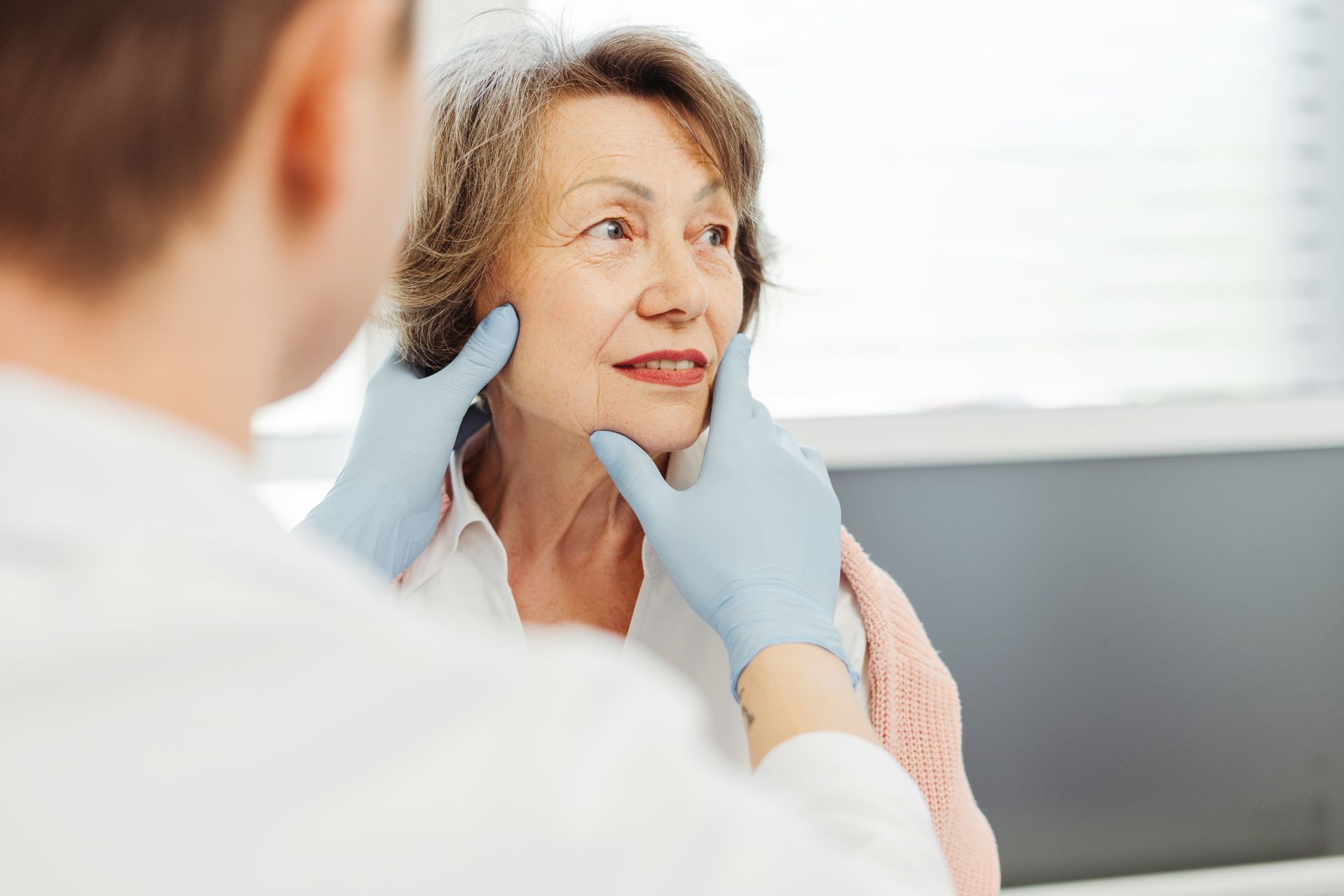
• Evaluate Sun Damage: Look for areas of new hyperpigmentation, rough patches, or a general lack of radiance left behind by summer sun exposure.
• Review Active Ingredients: Take a brief pause from your high-strength retinols and strong at-home acids one week before your clinical peel to ensure your skin is perfectly ready.
• Flood with Hydration: Focus on building up your skin's moisture levels using medical-grade hydrators to support a smooth, comfortable recovery.
• Confirm Optimal Timing: Ensure your skin is completely free from any recent sunburns or active seasonal windburn before starting your peel protocol.
Stage 2: Schedule and Customise the Treatment
The second stage focuses on selecting the perfect treatment strength and booking your sessions during this ideal, lower-UV autumn window.
• Maximise Low UV Levels: Take advantage of October's significantly lower UV index, which drastically reduces the risk of post-treatment pigment complications.
• Target Specific Concerns: Work closely with our specialists across our Arnprior and Ottawa locations to choose the ideal blend of clinical acids for your unique goals.
• Plan Your Progression: Schedule a series of three to four lighter peels spaced a few weeks apart to achieve comprehensive texture and tone improvements safely.
► Undergoing advanced chemical treatments when solar radiation is high can inadvertently trigger hyperpigmentation, making autumn the ideal clinical window for deep skin rejuvenation.
Stage 3: Protect and Nurture the New Skin
The final stage involves caring for your freshly revealed skin layers to lock in your long-term results and build lasting resilience.
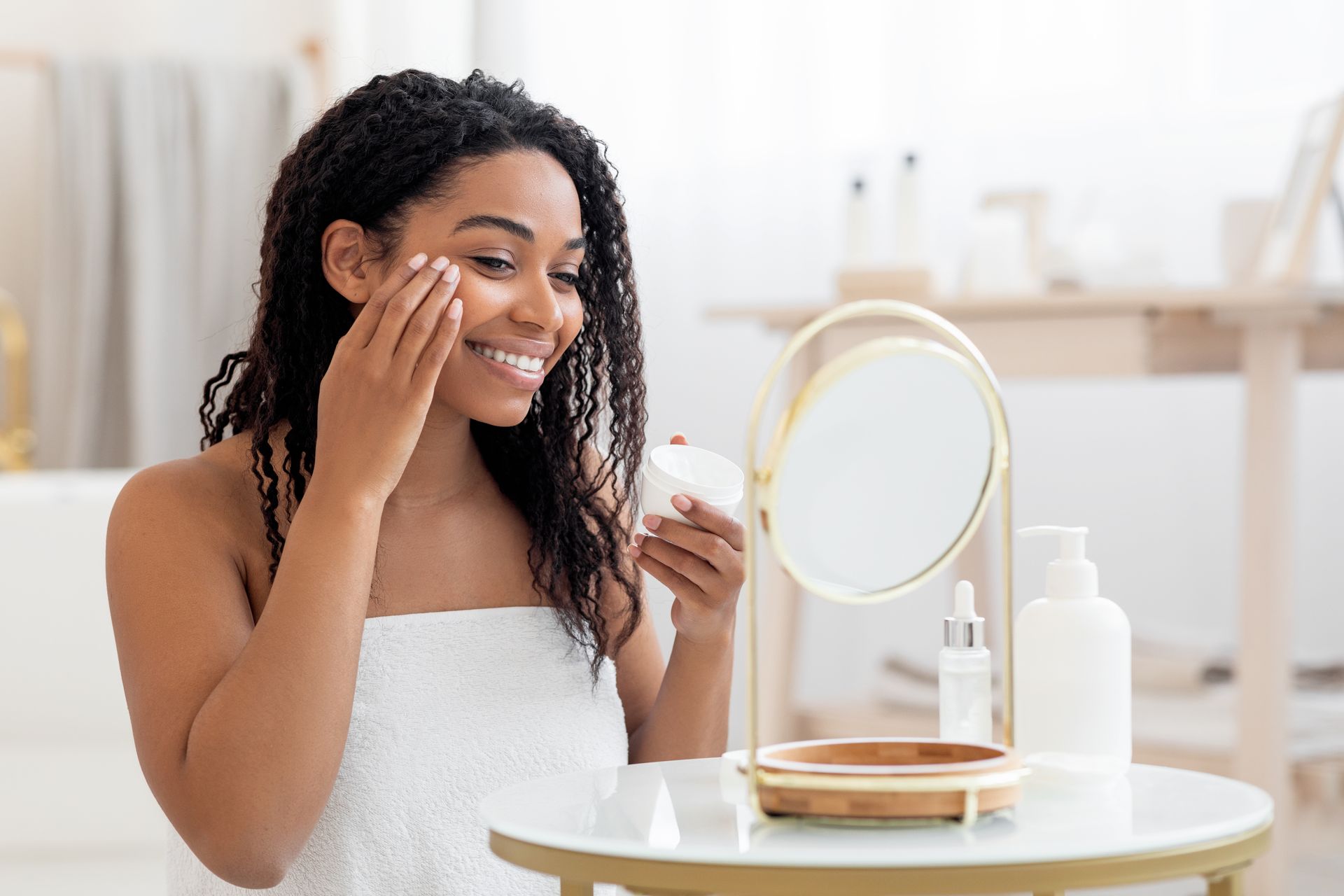
• Apply Gentle Aftercare: Use a soothing, non-comedogenic recovery cream to keep your skin perfectly comfortable as it goes through its natural peeling phase.
• Maintain Daily Sun Defence: Remember that newly exfoliated skin is highly sensitive to light, making daily mineral sunscreen application absolutely essential even on cloudy autumn days.
• Lock in Essential Moisture: Use rich, barrier-supporting nutrients to prevent the cool autumn air and dry indoor heating from stripping away your fresh hydration.
• Avoid Manual Peeling: Allow the dry skin to flake away completely on its own schedule to protect the delicate, healthy tissue forming underneath.
Frequently Asked Questions
Why Is Fall The Best Time For A Chemical Peel?
Autumn is the premier time for medical-grade peels because the declining UV index provides a much safer environment for healing newly exfoliated skin. Since chemical peels remove the protective outer layers of dead skin to reveal fresh tissue, minimising sun exposure during recovery is vital for preventing post-inflammatory hyperpigmentation. Timing these treatments in October allows you to comfortably heal away from summer's intense sun and ahead of harsh winter weather.
How Much Downtime Is Required After A Medical-Grade Peel?
The recovery time depends entirely on the specific depth and formulation of the chemical peel selected for your skin type. A light, superficial peel typically involves minimal flaking and allows you to return to normal activities immediately with a nice glow. For a medium-depth clinical peel, you should expect about three to five days of visible flaking, during which keeping the skin well-hydrated and protected from the sun is your primary focus.
Can Chemical Peels Effectively Erase Summer Sun Damage?
Yes, chemical peels are highly effective at reducing summer photo-ageing by accelerating your skin's natural cellular turnover process. By gently dissolving the bonds holding damaged, pigment-heavy cells together, the peel allows fresh, evenly pigmented skin layers to rise to the surface. Combining a series of autumn peels with an expert home care routine can significantly fade sunspots, smooth rough patches, and restore a beautiful radiance.
Secure Your Seasonal Skin Reset
Timing your advanced skincare treatments with the natural rhythm of the seasons is a smart, effective way to get the most out of your clinical care. Capitalising on the autumn chemical peel timing allows you to easily clear away summer buildup and build a strong, glowing foundation for the colder months ahead. Reach out to our expert team today to schedule your consultation and step into the new season with beautiful, confident skin.
Share This Blog