5 Reasons Data-Driven Skin Analysis Dictates Your Longevity Plan
Faces DermaMedical • August 19, 2026
Achieving truly radiant skin requires moving past the guesswork of traditional counter consultations. At Faces DermaMedical, we believe that effective, age-defying results must begin with concrete data rather than visual assumptions.
Every individual complexion possesses hidden challenges beneath the surface, from deep UV damage to structural imbalances. Utilising precise, advanced imaging allows us to design proactive care regimens that target concerns before they manifest as visible lines or permanent discolouration.
In This Article:
Tip #1: Visual Inspections Miss Sub-Surface Realities
Tip #2: Mapping Your Unique Vascular Profile
Tip #3: Measuring Pore Structure and Sebum Dynamics
Tip #4: Tracking Real-Time Textural Volatility
Tip #5: Monitoring Genuine Clinical Progress Over Time
Frequently Asked Questions
Tip #1: Visual Inspections Miss Sub-Surface Realities
Standard overhead lighting cannot reveal the structural changes occurring in the deeper layers of your tissue. A professional skin analysis utilises multi-spectral imaging to uncover issues long before they reach the surface.
• Sub-Surface Melanin: Reveals concentrated pools of pigment hidden in the basal layer of the skin.
• Early UV Damage: Identifies deep photo-ageing from past sun exposure that has not yet materialised as brown spots.
• Proactive Prevention: Allows for targeted intervention with specialised products like Zo Skin Health to address pigmentation before it surfaces.
Tip #2: Mapping Your Unique Vascular Profile
Redness and facial flushing are often misdiagnosed without looking closely at the underlying capillary network. Advanced imaging maps out the specific patterns of your microcirculation.
• Inflammation Identification: Pinpoints the exact areas where blood vessels are dilated or compromised.
• Rosacea Differentiation: Distinguishes between temporary environmental flushing and structural vascular conditions.
• Protocol Customisation: Helps our specialists select appropriate therapies, such as light treatments, while avoiding options that might worsen inflammation.
Tip #3: Measuring Pore Structure and Sebum Dynamics
Pore size and surface oiliness change constantly due to the environment, stress, and lifestyle shifts. Precise diagnostic tools quantify these variables with mathematical accuracy.
• Sebum Concentration: Identifies specific zones of overproduction to prevent future acne flares.
• Bacterial Mapping: Detects porphyrins within the pores, highlighting areas highly prone to breakouts.
• Refined Treatments: Guides the precise application of clarifying protocols, ensuring we treat oily zones without drying out normal skin.
Tip #4: Tracking Real-Time Textural Volatility
Fine lines and structural changes can be difficult to measure accurately with the naked eye during early aging. Microscopic topography tracking provides a detailed look at your skin's surface smoothness.
• Wrinkle Depth Assessment: Measures the precise depth and volume of creases around the eyes and mouth.
• Structural Elasticity: Highlights areas where collagen depletion is beginning to cause early skin laxity.
• Preventative Target Areas: Allows us to recommend targeted treatments like InMode Forma to rebuild collagen exactly where structural support is weakening.
Tip #5: Monitoring Genuine Clinical Progress Over Time
True clinical success should be measurable and clearly visible through comparative data, not just subjective feelings. Regular diagnostic imaging creates an objective record of your skin's transformation.
• Baseline Comparisons: Side-by-side digital comparisons reveal identical lighting angles for reliable tracking.
• Ingredient Verification: Proves exactly how well your medical-grade home care routine is improving skin health.
• Treatment Optimisation: Allows us to continuously refine your anti-ageing protocol based on concrete, data-driven tissue responses.
Frequently Asked Questions
What Does Advanced Skin Imaging Show?
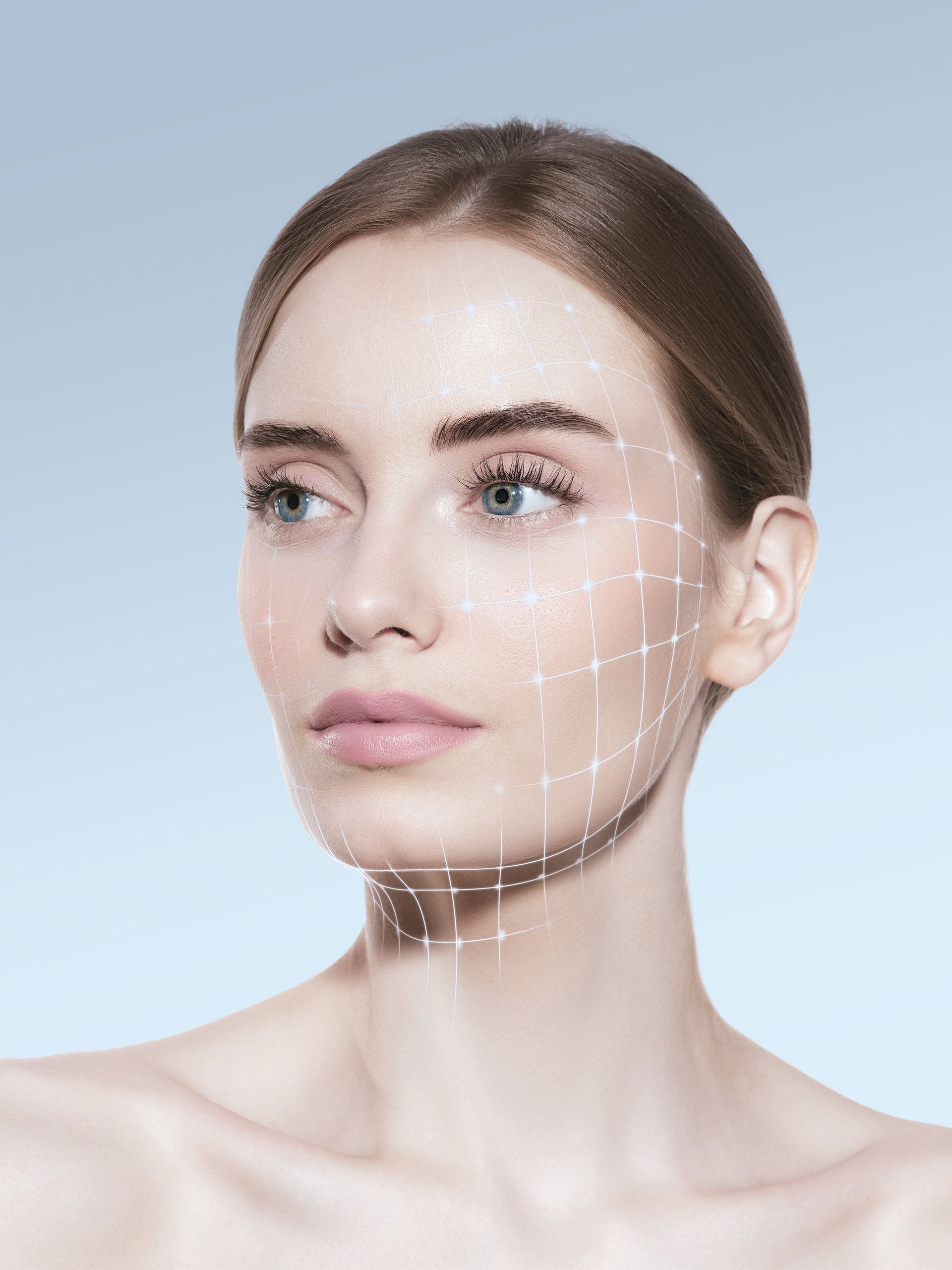
Advanced skin imaging utilises polarised and ultraviolet light to capture detailed information from both the surface and deeper structural layers of the tissue. This technology quantifies eight distinct skin attributes, including brown spots, red areas, wrinkles, texture, pores, and UV damage. This comprehensive data allows practitioners to design a highly accurate, personalised rejuvenation plan based on your exact skin profile.
How Long Does A Complexion Assessment Take?
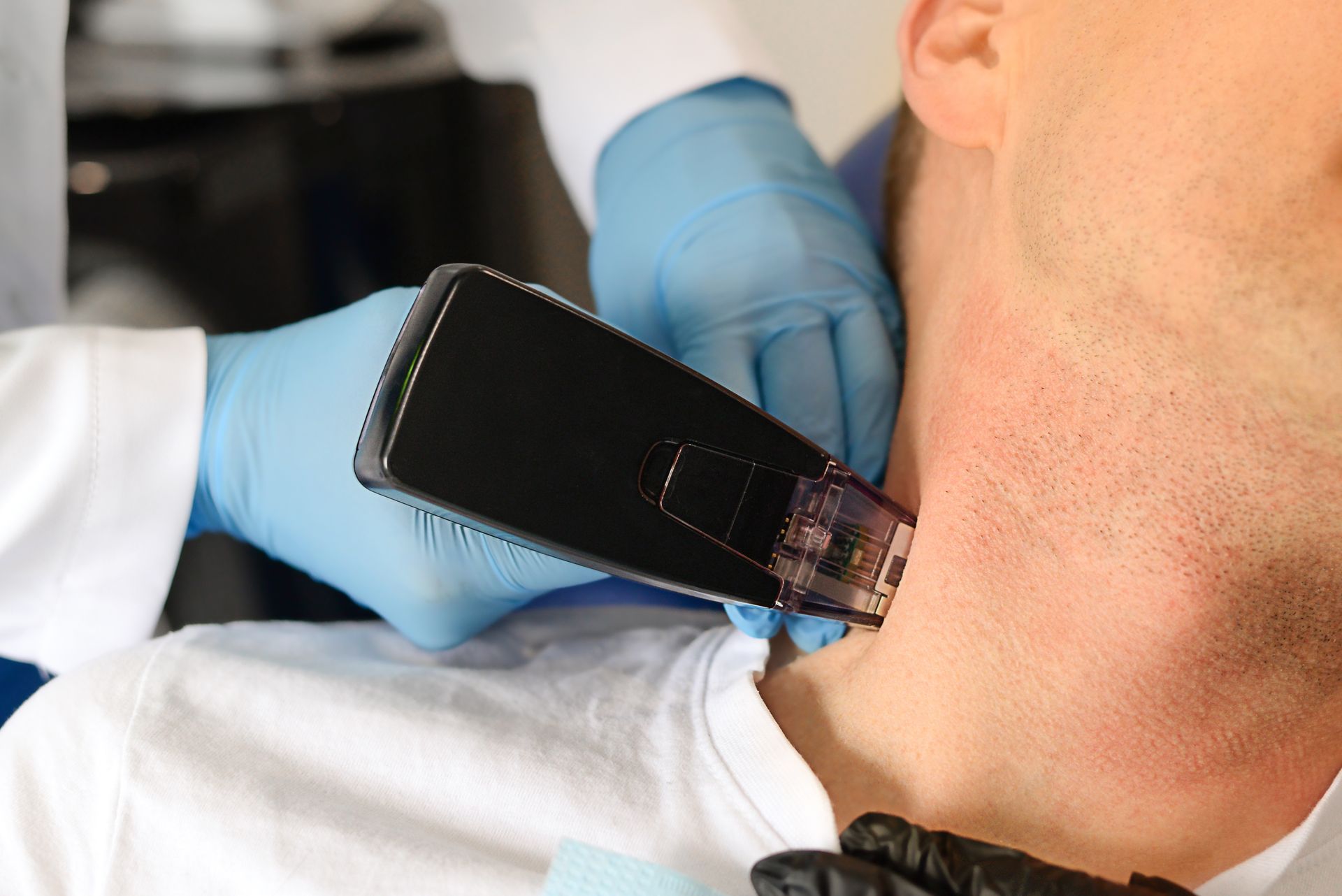
A professional complexion assessment takes approximately fifteen to twenty minutes to capture the multi-spectral images and compile the data. However, we pair this process with an in-depth consultation to review the findings, meaning you should plan for about forty-five minutes total. This ensures we can walk through your custom roadmap and explain our treatment recommendations clearly.
How Often Should I Get My Skin Analyzed For Progress?
We recommend scheduling a follow-up complexion analysis every three to six months, depending on the specific treatments you are undergoing. This timeline allows us to see measurable changes in cellular turnover, pigment reduction, and collagen production. Regular check-ins ensure your home care routine and in-clinic treatments adapt seamlessly to your skin's evolving needs.
Begin Your Data-Driven Skincare Plan
Investing in your long-term skin health should always be guided by clinical clarity rather than trial and error. While we serve clients across our two locations, our specialised VISIA complexion analysis Ottawa service is exclusively available at our Ottawa clinic to provide you with the most advanced diagnostic insights. If you are ready to take the guesswork out of your anti-ageing routine and build a truly personalised longevity protocol, contact our expert team today to schedule your assessment.
Share This Blog