The Clinical Truth About PRP: Beyond the “Vampire Facial” Hype
Faces DermaMedical • November 17, 2026
The aesthetic industry frequently packages clinical procedures in flashy marketing terms, which can obscure the actual medical science behind them. At Faces DermaMedical, we prefer to focus on the biological mechanics of how treatments interact with your body. Platelet-Rich Plasma therapy has gained a reputation as a dramatic trend, but the reality of a PRP treatment is grounded entirely in natural cellular repair. We utilize your body's own healing mechanisms to repair tissue and stimulate long-term collagen production.
Understanding the clinical truth about this procedure requires looking past the social media hype and focusing on the role of growth factors in the skin. When we isolate and reintroduce these potent proteins into targeted areas, we trigger a specific biological response. This process does not create an overnight cosmetic illusion. Instead, it initiates a genuine structural repair process that improves the health and density of your skin over several months.
What you will find in this guide:
● The biological function of platelets in skin repair
● What actually happens during the procedure
● Expected timelines for visible structural changes
● Frequently Asked Questions
The Science of Cellular Regeneration
Many patients arrive at our Ottawa clinic asking if PRP for skin rejuvenation actually works, often skeptical due to exaggerated online claims. The clinical reality is that this therapy operates on well-documented principles of wound healing and tissue regeneration. Platelets are cell fragments in your blood that contain high concentrations of growth factors and cytokines. These proteins are the biological messengers responsible for cell proliferation and collagen synthesis.
When you experience an injury, your body naturally rushes platelets to the site to begin repairs. By extracting these platelets, concentrating them, and strategically delivering them into the dermis, we artificially simulate this healing response. The skin begins to produce new collagen and elastin, not as a reaction to a foreign substance, but as a natural regenerative process commanded by your own biology.
The Clinical Reality of a PRP Treatment
The actual process is far more clinical and controlled than the dramatic images often shared online. We begin with a standard blood draw, much like a routine medical test. The blood is then placed in a centrifuge to separate the nutrient-rich plasma from the red blood cells.
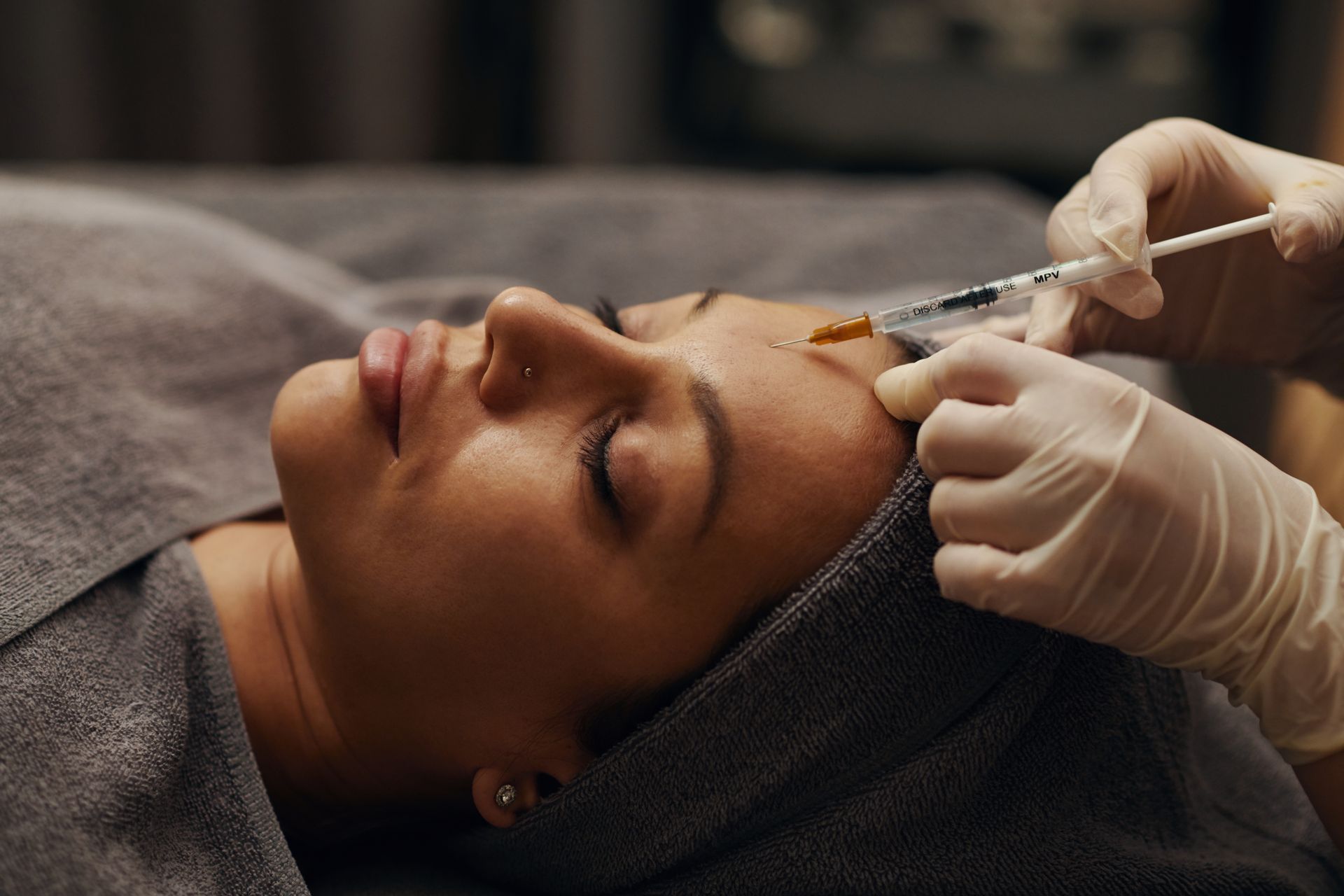
This refined golden liquid is what we use for the treatment. We deliver it back into the skin, often pairing it with precise delivery methods to maximize absorption. The goal is to reach the deeper dermal layers where collagen production actually occurs.
Structural Changes Over Cosmetic Quick Fixes
A common misconception is that patients will see immediate, dramatic changes the moment they leave the clinic. The truth is that biological repair takes time. While you may notice a slight plumping effect initially due to the localized fluid, the real work happens beneath the surface over the following weeks.
● Month one: Your skin begins the invisible work of synthesizing new collagen fibers and increasing cellular turnover.
● Month two: Textural improvements become noticeable, with rough patches smoothing out and a general increase in skin density.
● Month three and beyond: The structural matrix of the skin continues to strengthen, improving elasticity and diminishing the appearance of fine lines.
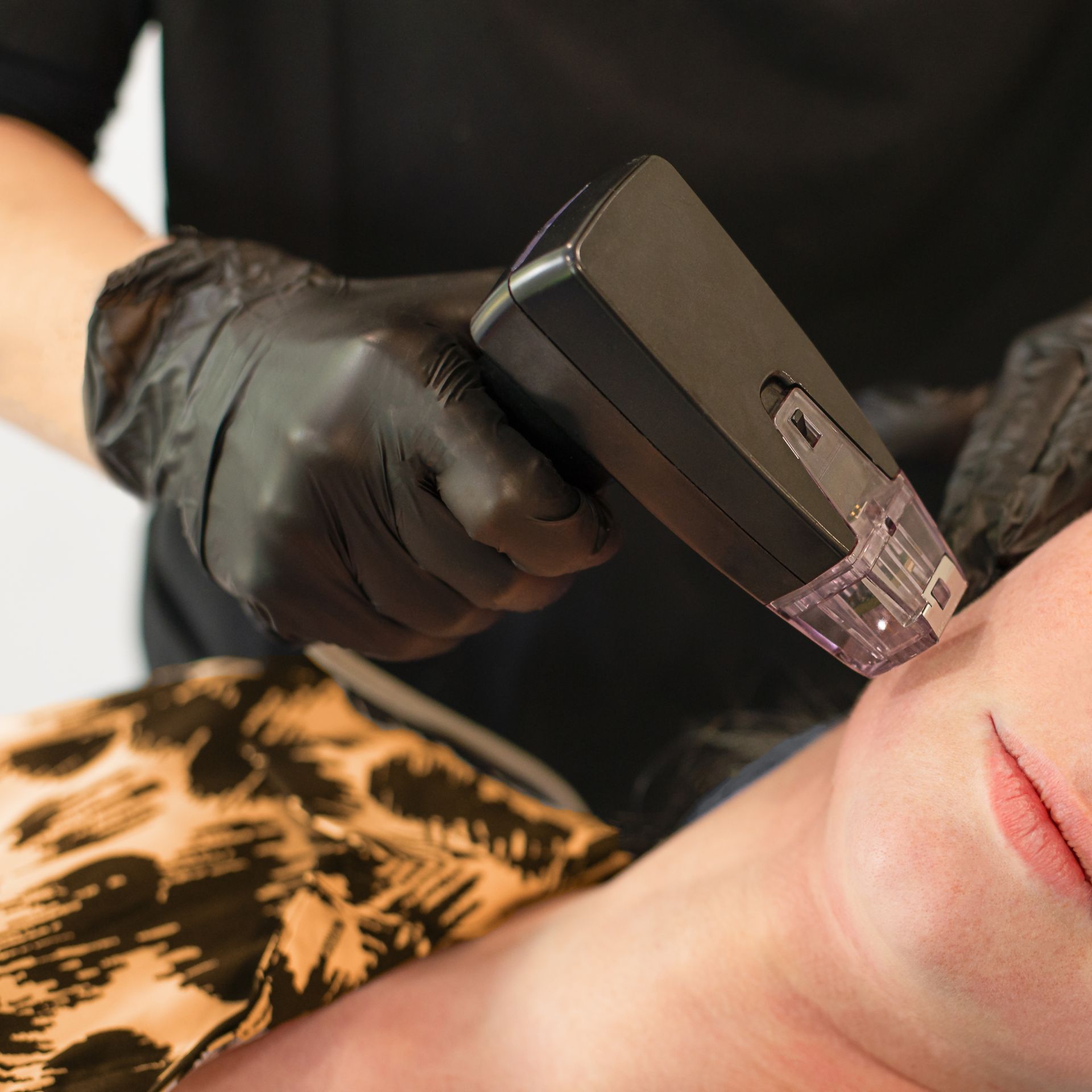
For patients looking to address textural issues like acne scars, we often discuss combining this therapy with Venus Viva Nano Fractionated Microneedling. The mechanical stimulation of microneedling paired with the growth factors of your plasma creates a highly effective environment for tissue remodeling.
Frequently Asked Questions
Is the procedure painful?
We apply a topical numbing cream before beginning the delivery process to ensure your comfort. Most patients report feeling only a mild pressure or a slight tingling sensation during the appointment.
How many sessions are clinically recommended?
Biological remodeling typically requires a compounding effect to show significant results. We generally recommend a series of three to four sessions spaced about a month apart to achieve optimal tissue regeneration.
Are there synthetic additives in the plasma?
No. The solution we use consists entirely of your own biological material, isolated through the centrifugation process. This eliminates the risk of allergic reactions and ensures the treatment remains completely natural.
Investing in Biological Skin Health
Moving past the marketing hype allows you to appreciate the genuine medical value of utilizing your own growth factors for skin repair. The results rely on patience and proper clinical execution rather than quick fixes or synthetic fillers.
Reach out to our team to schedule a consultation and learn how this regenerative approach can improve your skin's structural integrity.
Share This Blog